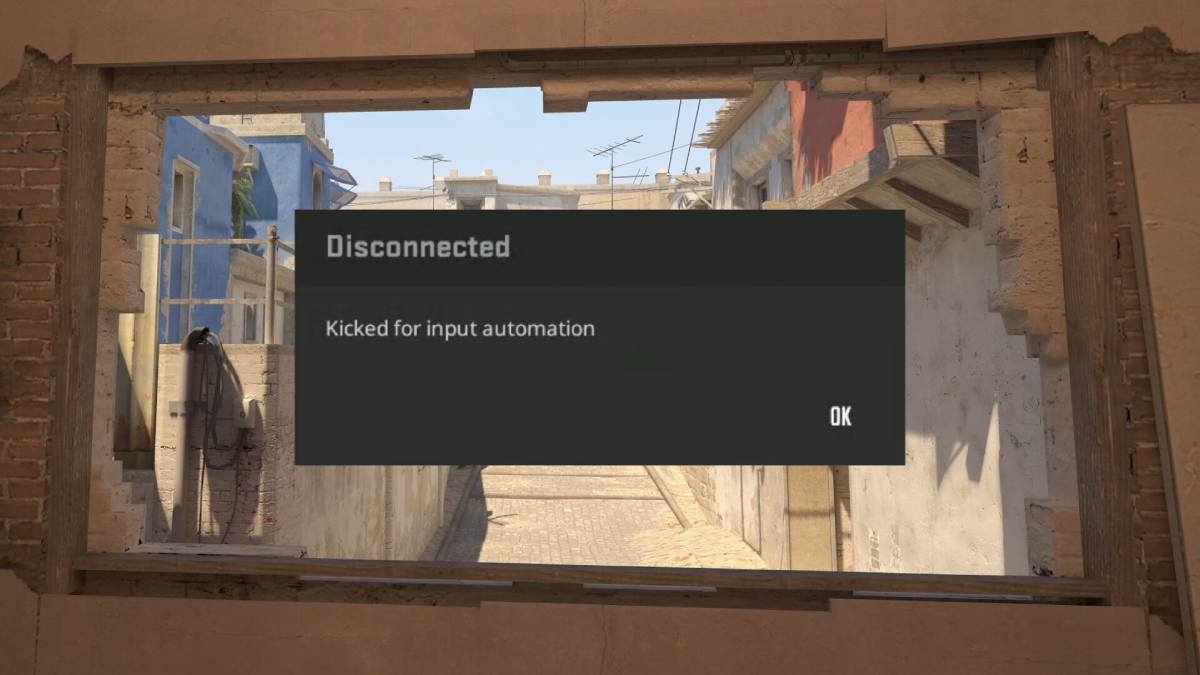
If you've been kicked from CS2 with this message -- or you're worried about it happening -- you're not alone. Valve's anti-cheat has been flagging SOCD tools since August 2024, and the situation hasn't gotten simpler. Players using everything from AutoHotKey scripts to Wooting's built-in SnapTap feature have reported getting the boot mid-match.
Valorant hasn't issued the same kind of mass kicks yet, but Vanguard is watching. Riot has a history of slow-rolling enforcement and then dropping the hammer all at once. If you're using any form of input automation in Valorant right now, the absence of a ban today doesn't mean safety tomorrow.
I've spent the last few months tracking every confirmed report I can find -- Reddit threads, Twitter posts, Discord screenshots, pro player complaints. Here's where things actually stand, broken down by approach.
What Valve Is Actually Detecting
The "Kicked for input automation" screen in CS2 isn't random. VAC is inspecting the input stack, and it has three main detection vectors. Understanding them is the key to understanding which tools are safe and which aren't.
1. Software hooks. Tools like AutoHotKey and reWASD run as Windows processes. They intercept keyboard input at the driver or hook level, modify it, and pass it along. Anti-cheat systems specifically scan for these kinds of processes. They're visible in the process list, they hook into the input pipeline at a detectable layer, and they leave signatures that VAC knows how to find. This is the easiest detection vector for Valve.
2. Firmware signatures. Every USB device identifies itself to the operating system with a vendor ID, product ID, and device descriptor string. A Wooting 60HE tells Windows exactly what it is. A Razer Huntsman V3 Pro does the same. When these keyboards have SOCD features enabled in firmware, Valve can correlate the device identity with the input behavior. There have been reports of players getting kicked even when using the keyboard's official, manufacturer-supported SOCD feature. The keyboard is identifiable, and the input pattern is flaggable.
3. Hardware output. A standard USB HID keyboard -- the kind that ships with every office PC in the world -- sends keystroke data in a format that's identical regardless of manufacturer. If the OS receives standard HID reports from a generic USB device, there's nothing to flag. No software hooks. No identifiable firmware. Just keystrokes from a keyboard.
This third vector is where the interesting distinction lies.
Software SOCD: Guaranteed Problems
Let's get this one out of the way fast. If you're running AHK, reWASD, or any other Windows-level input modifier to handle SOCD, you are playing with fire. There are multiple confirmed cases of players being kicked or banned in CS2 for running these tools.
AHK is free, which makes it tempting. But it hooks into the Windows input pipeline at a level that anti-cheat systems have been trained to detect for over a decade. Even if your AHK script is doing something completely benign, its presence alone can trigger a ban. VAC doesn't analyze what your script does -- it detects that a known input-hooking tool is running.
reWASD is a paid alternative at $7/month. It's a slightly more polished tool, but it operates at the same detection layer. You're paying a subscription fee to use a tool that anti-cheat can see. That's $84/year for a solution that might get you banned.
Verdict: Don't. The risk-reward calculation doesn't make sense at any price point.
Firmware SOCD: The Wooting/Razer Problem
This is the frustrating one. Wooting and Razer make genuinely excellent hardware. The Wooting 60HE+ is one of my favorite keyboards. Razer's Huntsman V3 Pro is well-built. Their SOCD implementations work exactly as advertised at the firmware level.
The problem is detection surface. These keyboards identify themselves via USB descriptors. Valve knows exactly which devices have firmware-level SOCD capabilities. And the enforcement has been inconsistent -- which is actually worse than a blanket ban, because you can never predict when it'll happen.
Some players report using Wooting's SnapTap for months with no issues. Others get kicked in their first competitive match. The inconsistency suggests Valve is sampling or rotating their detection, which means every match is a coin flip. You might be fine today and kicked tomorrow with no change on your end.
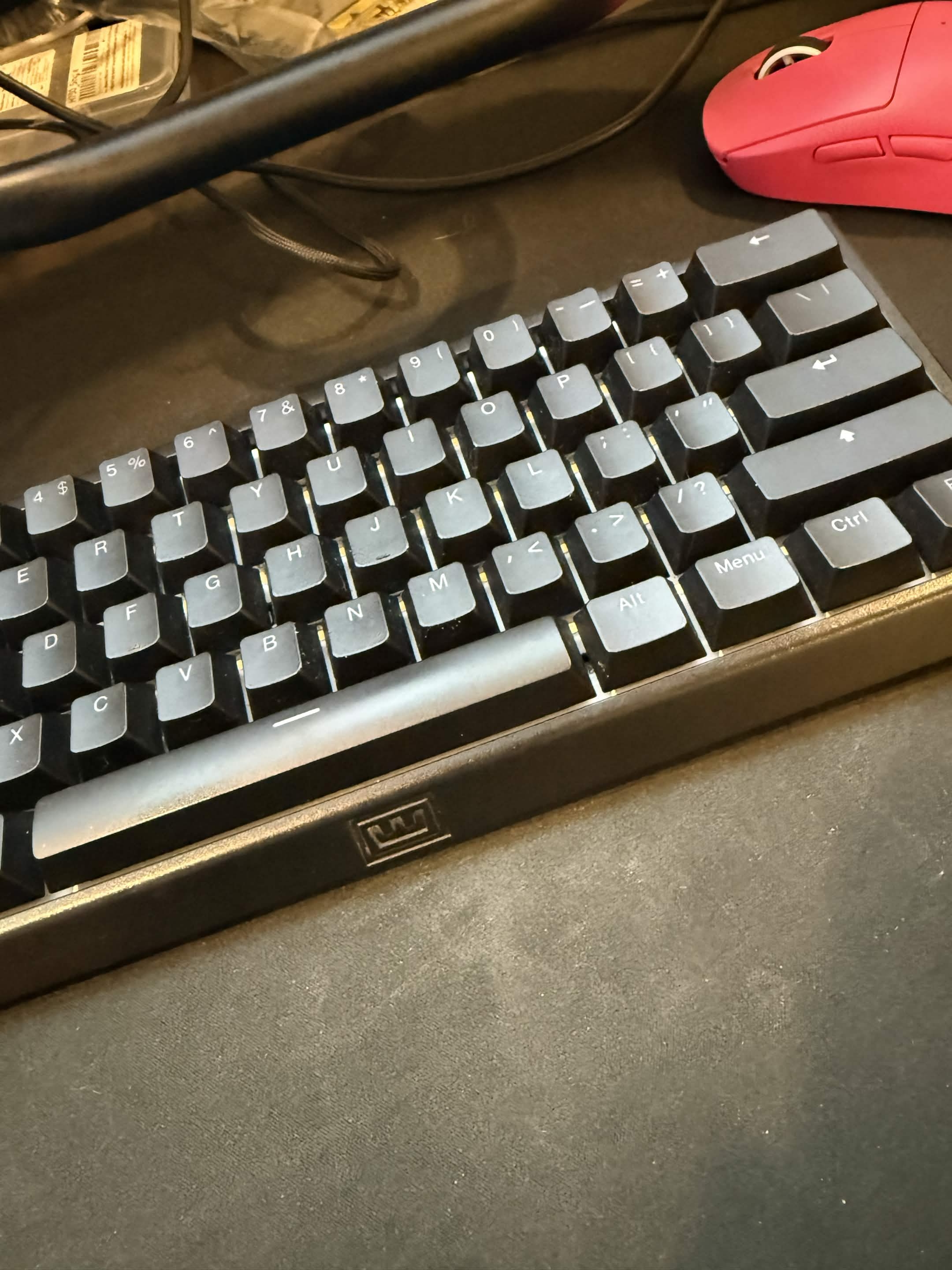
The worst part: you bought a $175-200 keyboard specifically for this feature, and now you can't reliably use it in the game where it matters most. Some players have resorted to disabling SnapTap before queuing for CS2 competitive, which defeats the entire purpose.
Verdict: The keyboards themselves are great. But if your primary use case is SOCD in CS2, the firmware approach has a real and unpredictable detection risk.
Hardware Output: The Rebind Approach
This is the approach that works differently from the other two, and the distinction matters.
Rebind is a software application paired with a Teensy 4.0 microcontroller -- a small USB board you can pick up for about $24 on Amazon. When you run Rebind and attach your keyboard, your keyboard disappears from Windows Device Manager entirely. A generic USB device appears in its place.
Here's what's happening: Rebind creates a sealed processing environment on your PC that captures your keyboard's raw USB input. A Luau scripting engine processes every keypress at 8,000 Hz. The processed output -- with SOCD cleaning already applied -- is sent to the Teensy, which replays it as standard USB HID events. The operating system sees a standard USB keyboard. Not your original hardware. Not software-injected input. Not identifiable firmware. A keyboard.
The critical difference: there is no software hook for anti-cheat to detect. There is no identifiable firmware signature. The game receives input from what appears to be a completely ordinary keyboard. It's the same data format that Windows gets from a $15 Dell keyboard in a corporate office.
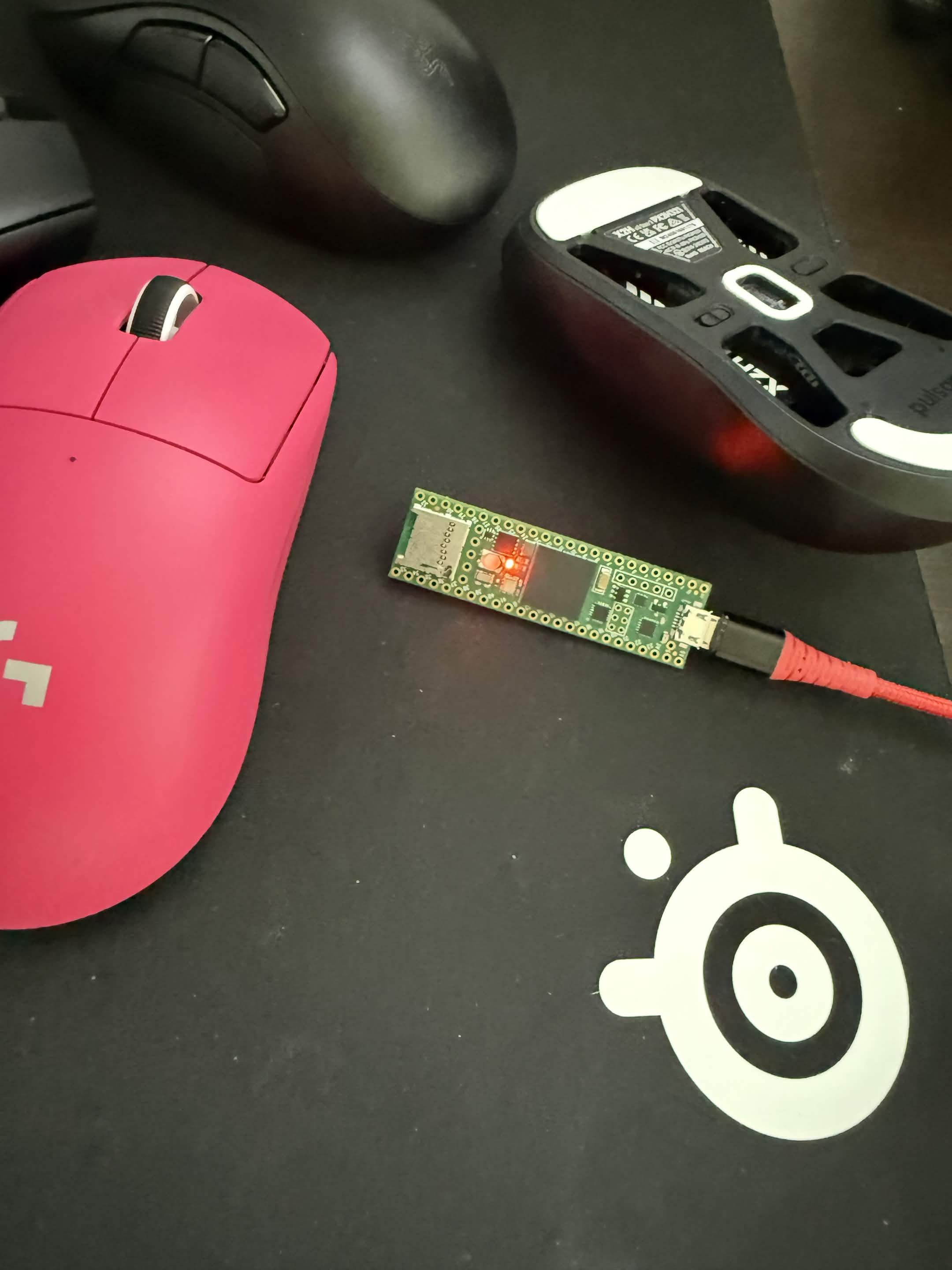
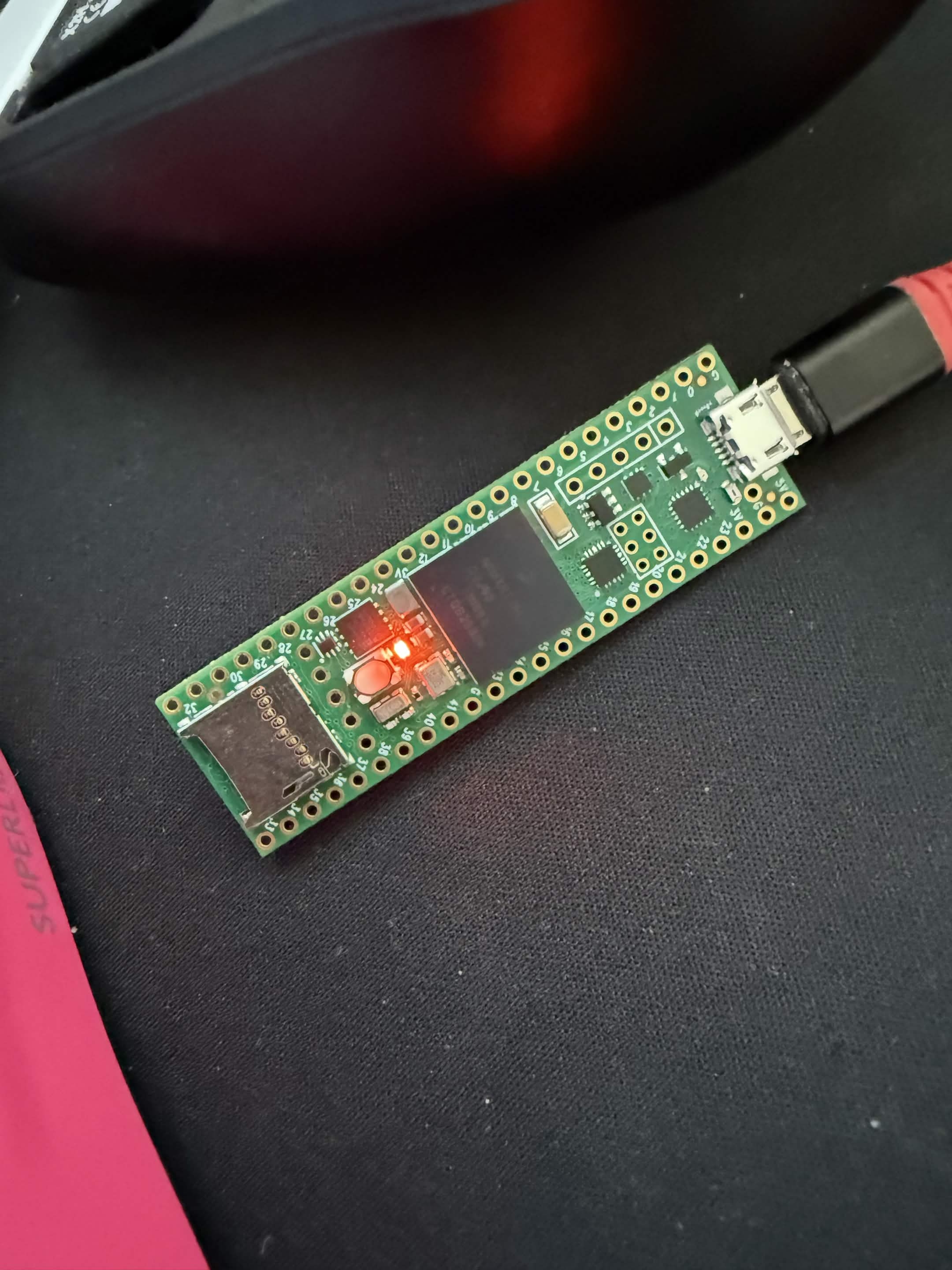
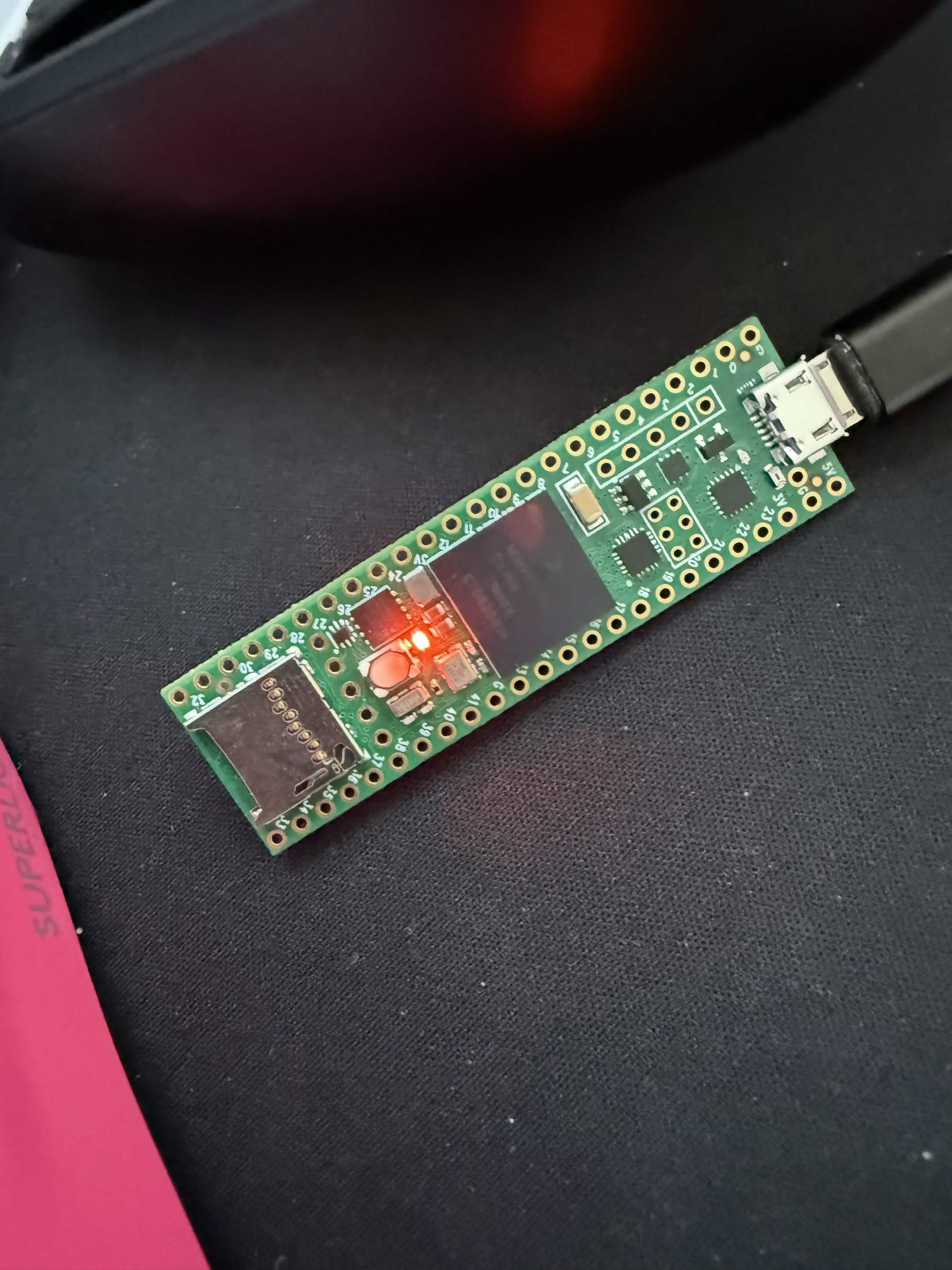
Setup took me about ten minutes. Buy the Rebind license ($149, digital delivery -- instant), order a Teensy 4.0 from Amazon (~$24), plug it in, attach your keyboard, and paste the SOCD script from the AI on their website. You can have the license and software configured before the Teensy even arrives.
The Bottom Line
If you want SOCD without worrying about detection, the output method matters more than anything else.
Software gets flagged. It hooks into the input pipeline at a layer that anti-cheat is designed to monitor. Multiple confirmed bans.
Firmware is identifiable. Your keyboard tells the OS exactly what it is. Valve can correlate device identity with input behavior. Inconsistent enforcement means you're gambling every match.
Hardware output from a standard USB device is the same thing the game sees from any normal keyboard. No hooks. No identifiable firmware. No detection surface.
That's the distinction that matters. Not the brand name, not the price, not the marketing. What does the game actually see when you press a key?
Rebind -- Digital License
Delivered instantly after purchase
$149
one-time, no subscription
Frequently Asked Questions
Will I get banned for using Rebind?
There are no confirmed reports of bans or kicks from using Rebind. The output is standard USB HID from a generic device -- the same data format the game sees from any normal keyboard. That said, we can't guarantee any game's future detection policies. What we can say is that the output method has no software hooks and no identifiable firmware signature.
What about FACEIT and ESEA?
Same principle. These platforms scan for software hooks and known firmware signatures. Hardware USB output from a standard device doesn't trigger these scans because there's nothing unusual to detect. The input arrives through the same channel as any other keyboard.
Is SOCD cleaning cheating?
SOCD cleaning is a hardware feature built into $200 keyboards from Wooting and Razer. Pro players use it openly. Rebind makes the same feature available on any keyboard. Whether SOCD should be allowed is a game policy question, not a cheating question -- and right now, the feature itself isn't banned. The detection issues are about the method of implementation, not the functionality.
What do I need to buy?
Two things: (1) A Rebind license ($149, digital delivery -- you get it instantly after purchase) and (2) a Teensy 4.0 microcontroller (~$24 on Amazon). Buy the license now, order the Teensy, and you can have everything configured before the Teensy arrives.
Marcus Chen
Hardware reviewer. Competitive FPS player. Recovering mechanical keyboard addict. I test peripherals so you don't have to buy all of them.